Important — read first. This is a prevention and rehabilitation training
guide, not a medical diagnosis or treatment plan. It was written as a knee/ACL
prevention program, so it is a general lower-limb foundation — much of it
(single-leg balance, landing control, neuromuscular work) also protects the
ankle, but it is not ankle-specific rehab. Always agree the exercise selection,
intensity and timing with a doctor or physiotherapist before starting — and
especially while recovering from an injury. Start with the simple exercises and
increase difficulty, intensity and repetitions only gradually. Stop any exercise
that causes sharp pain.
Why this matters
A knee injury doesn’t have to happen
A serious knee injury is every athlete’s nightmare: surgery, months of rehab, time
out of training, and the uncertainty of whether and when the “comeback” will
succeed. Sports-medicine studies have shown that knee-joint injuries can be
prevented through special prevention programs, and that neuromuscular training
should therefore be built into normal training.
On this basis, doctors, physiotherapists and sports scientists of the German Knee
Society (Deutsche Kniegesellschaft, DKG) developed the STOP-X prevention
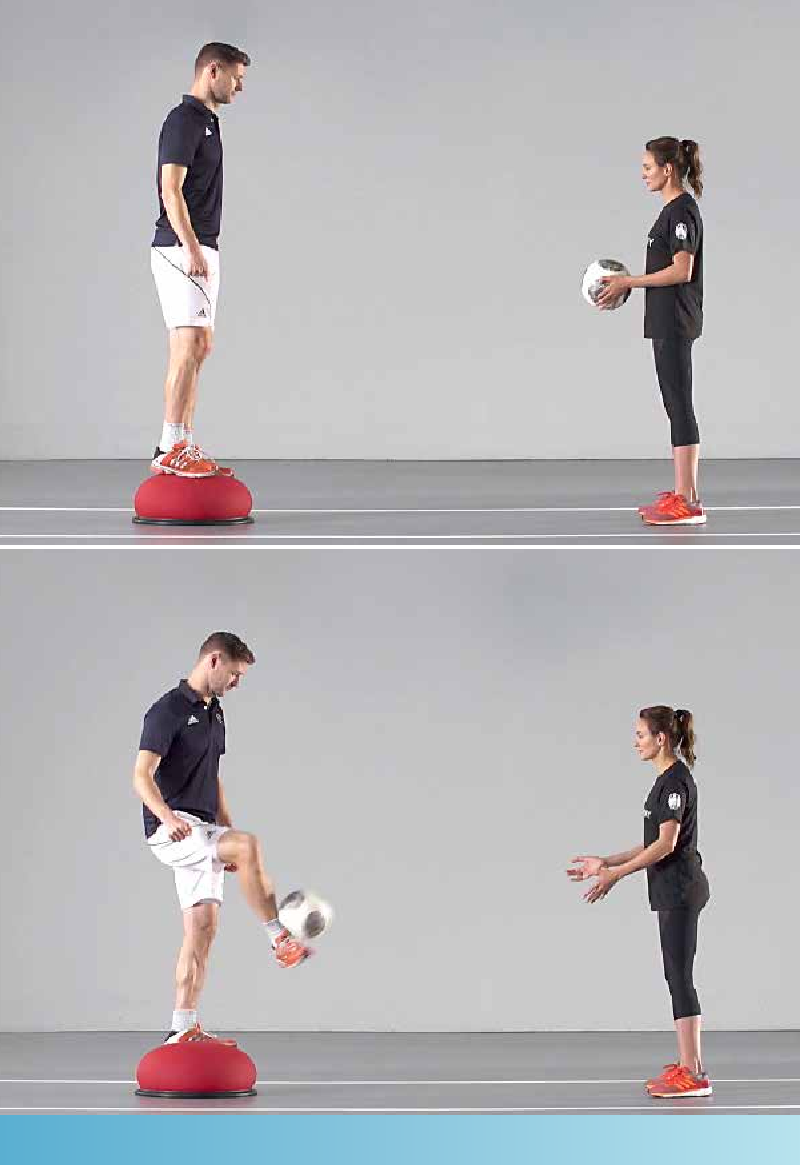
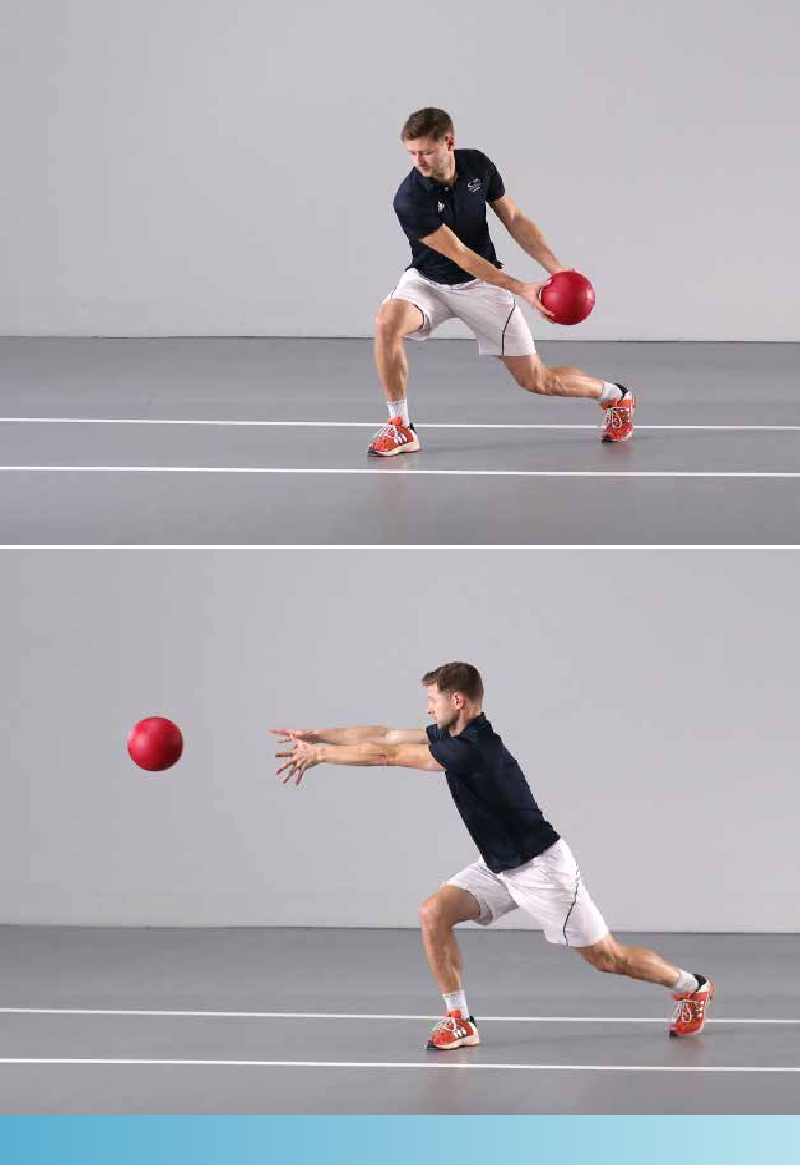
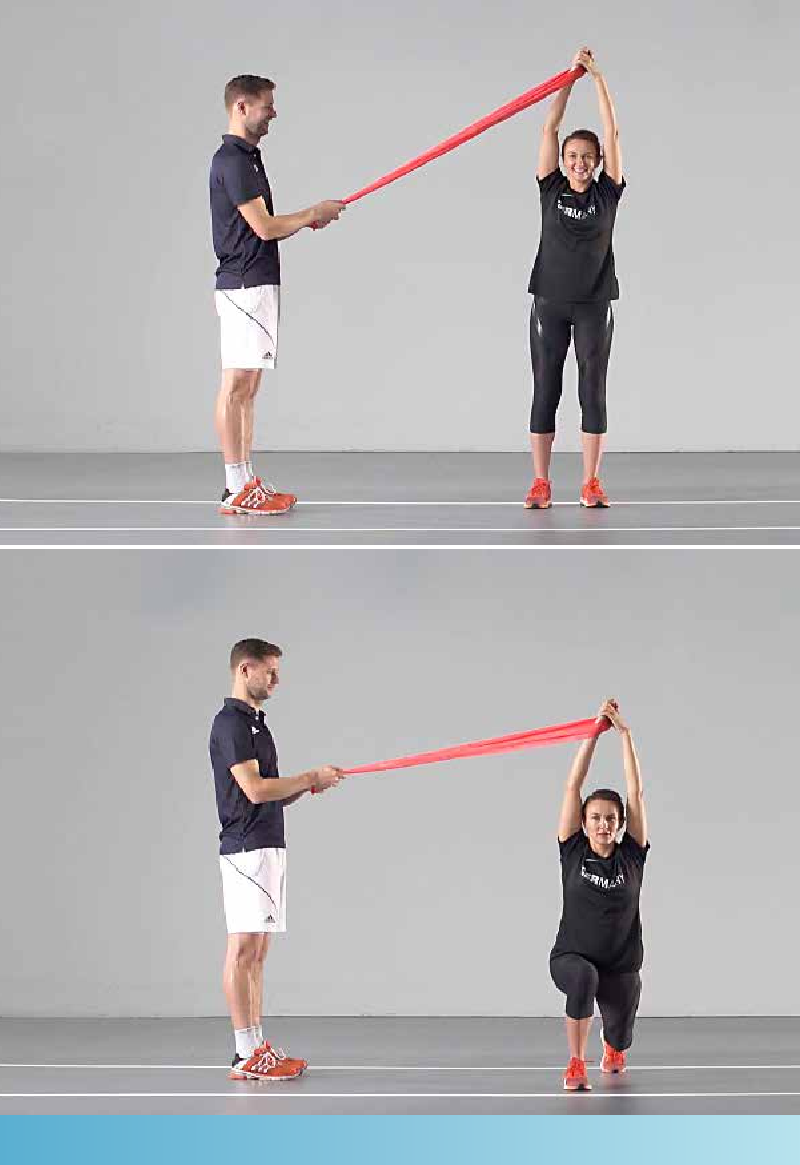
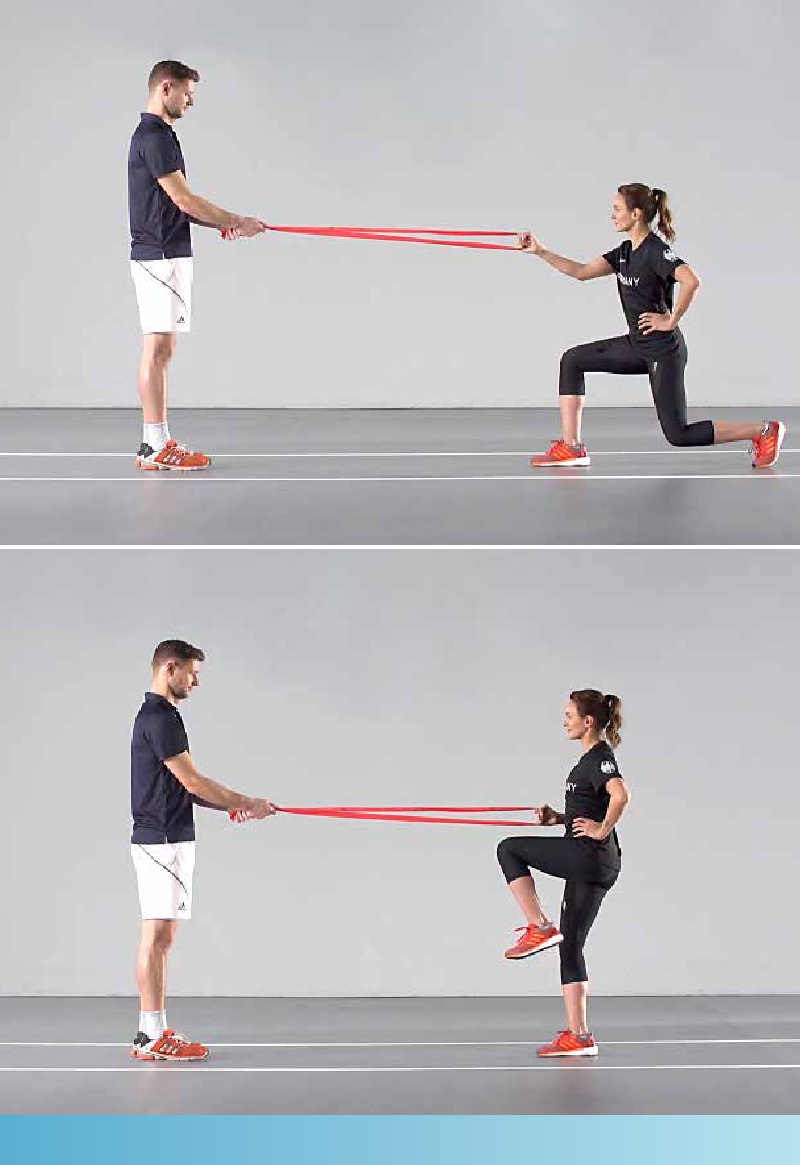
program. It contains a selection of neuromuscular exercises that improve strength,
coordination and balance — and thereby help avoid injury-prone positions at the
knee and correct dangerous movement patterns.
How a knee injury happens
The knee is the largest joint in the body. It is a pivot-hinge joint, so
uncontrolled rotational movements can severely injure the ligaments, menisci and
cartilage. The anterior cruciate ligament (ACL) is the most frequently injured.
Because of the jumping and braking typical of ball sports, ACL ruptures are
comparatively common there (and also in alpine skiing and martial arts). What these
injuries share: the leg is in a knock-knee (valgus) position with the lower leg
rotated inward.
Around 75% of ACL ruptures happen in non-contact situations — without an
opponent touching the player. And after an ACL reconstruction, the risk to the
other (uninjured) knee is high too. This is exactly why preventive, both-sided
training matters.
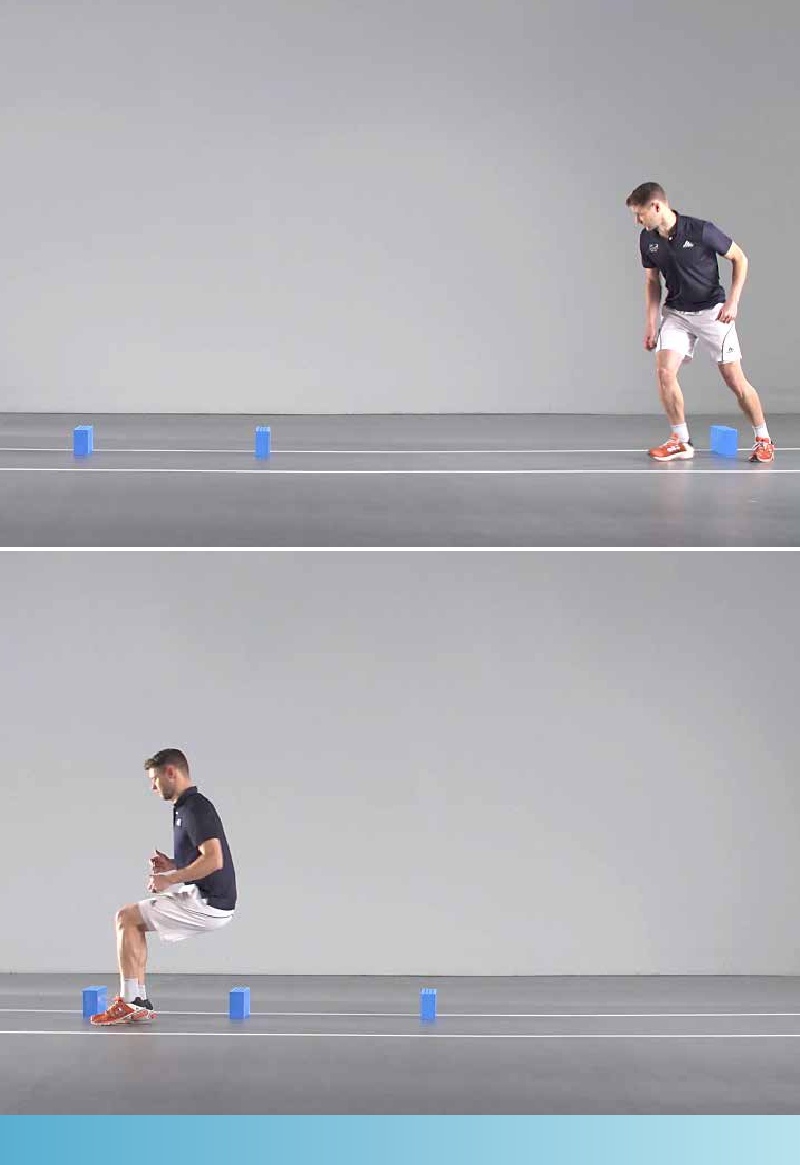
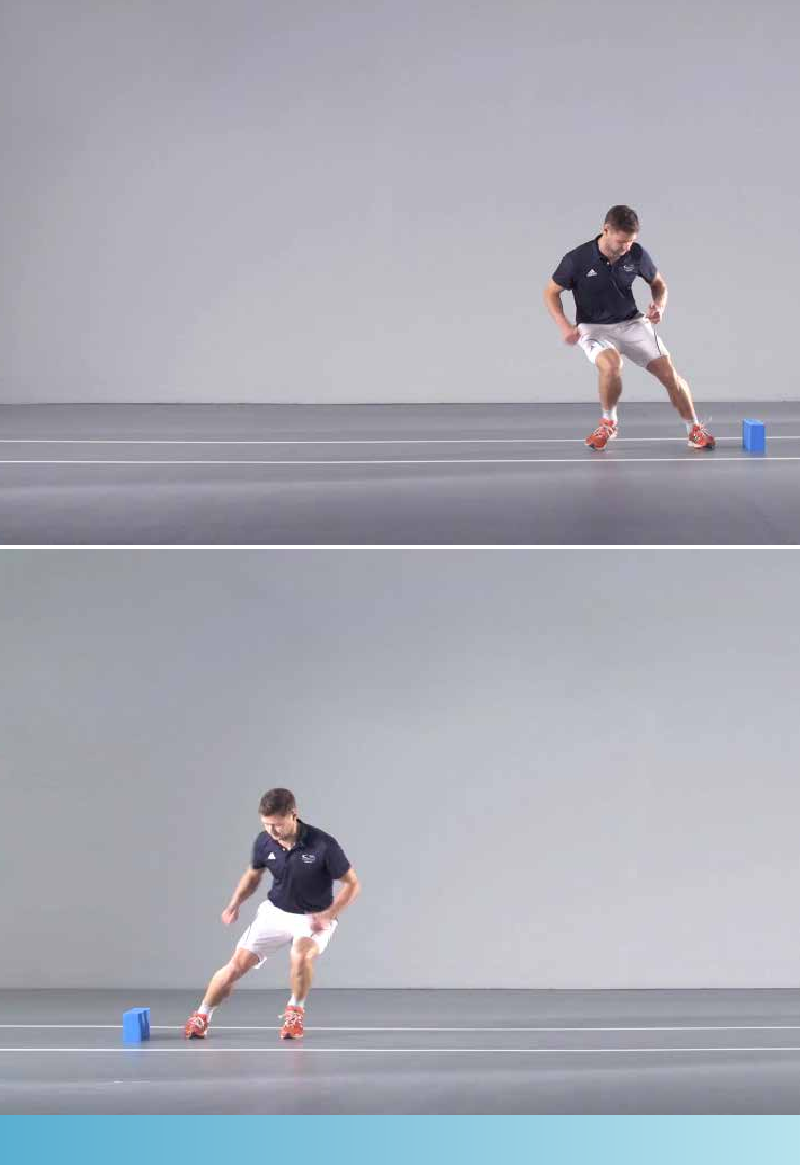
The risky movements to retrain
- Landing after a jump
- Stopping abruptly
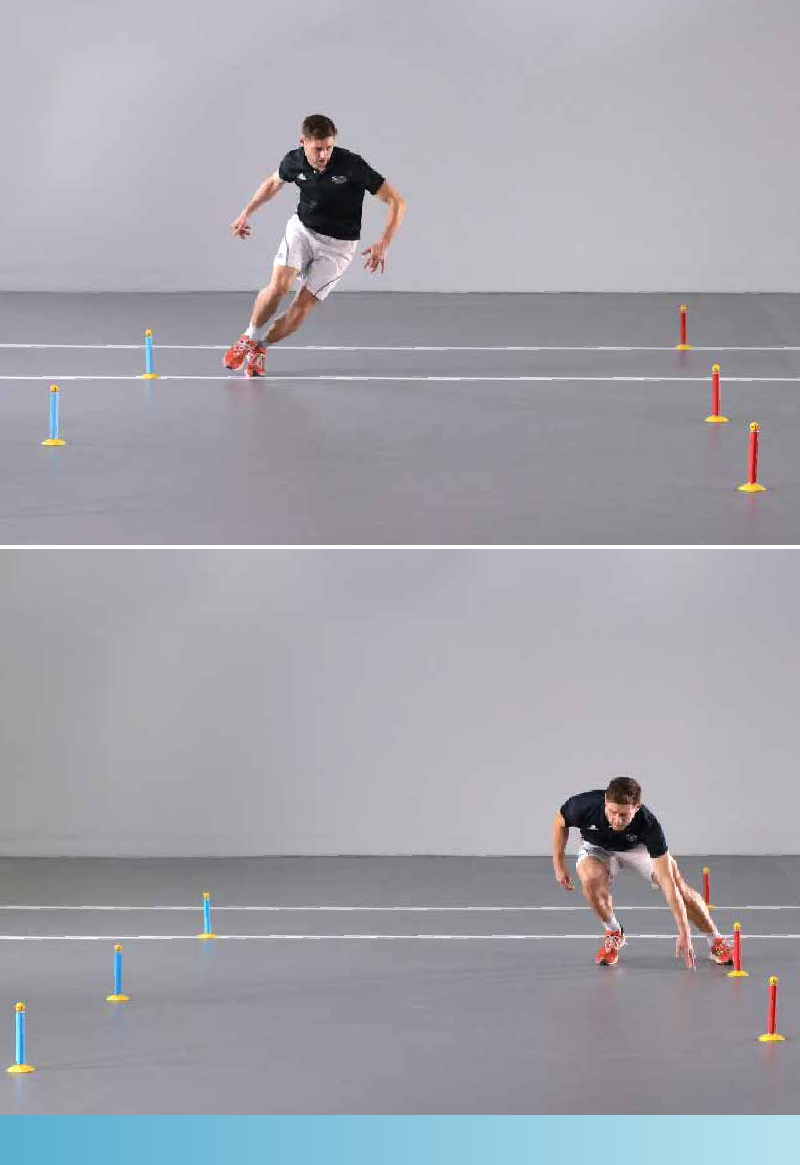
- Turning movements
- Change of direction (plant-and-cut)
In all of these, the danger is the standing leg collapsing inward with the body’s
weight behind the knee. General risk factors include poorly healed or
under-rehabilitated previous injuries (muscle, knee or ankle), fatigue, illness,
overload and poor overall conditioning — in those states, skip competition or even
training depending on severity.
How the program is built
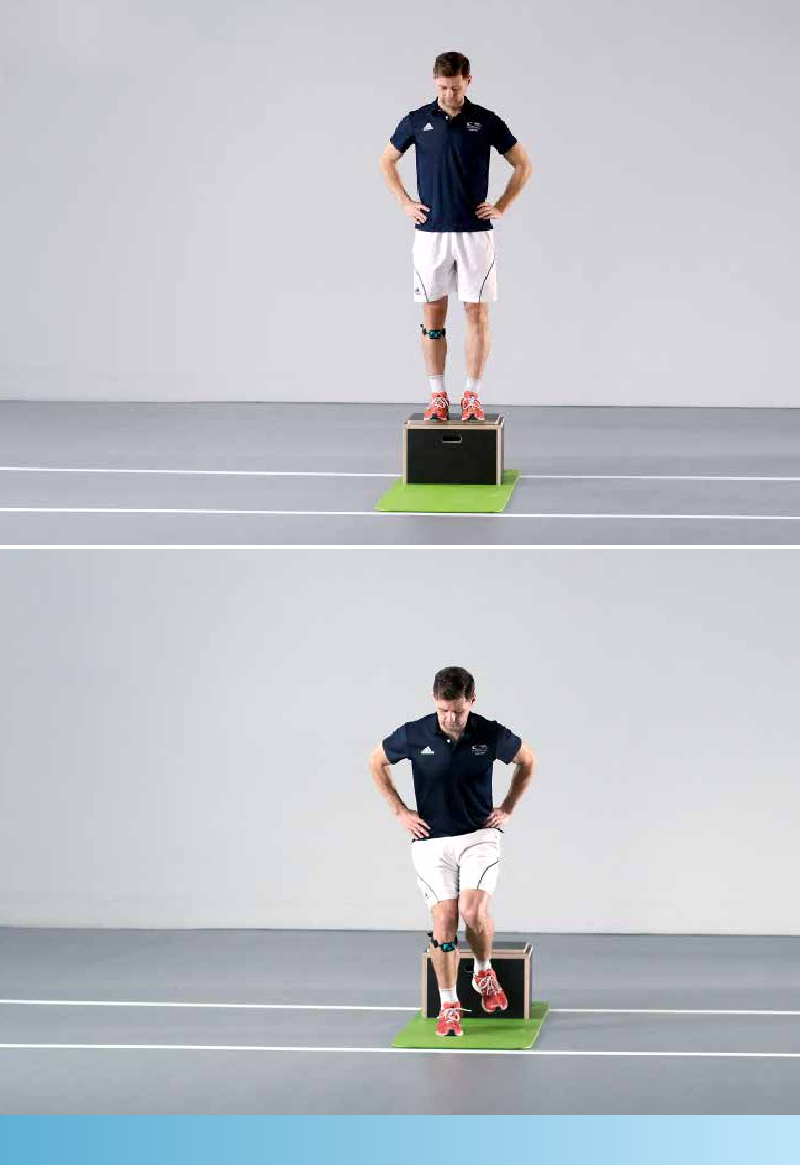
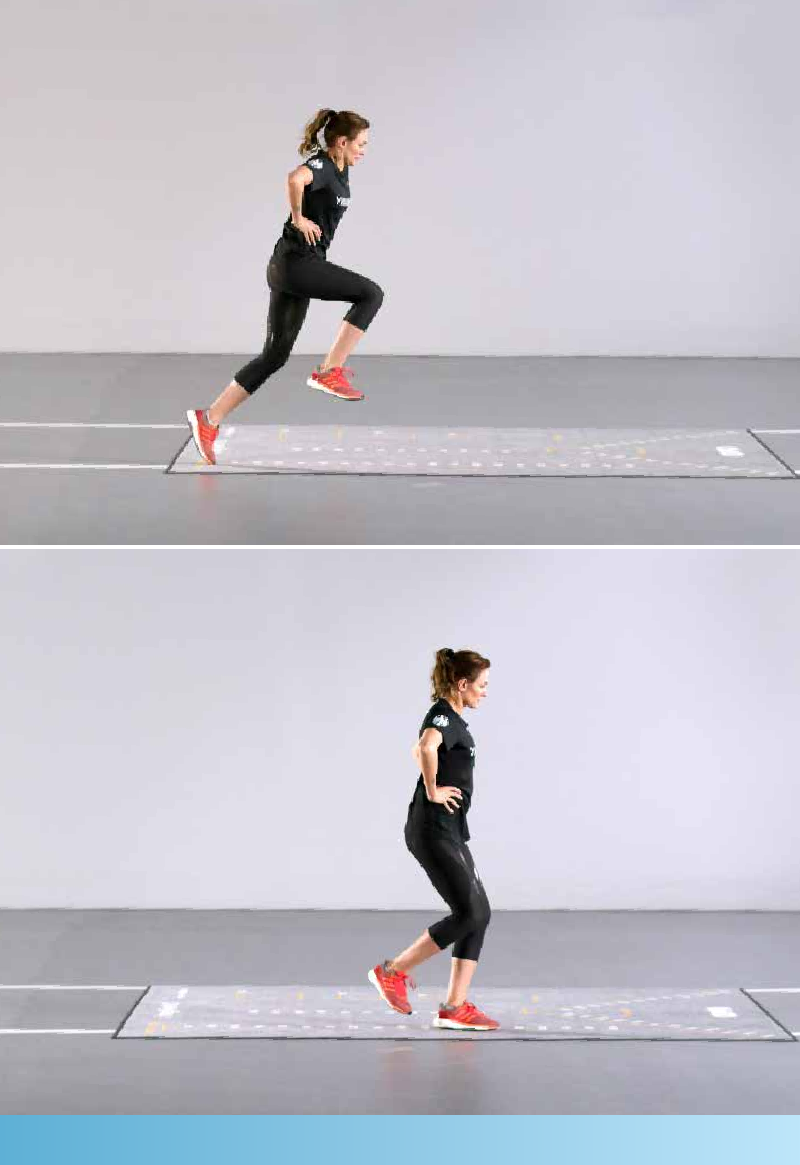
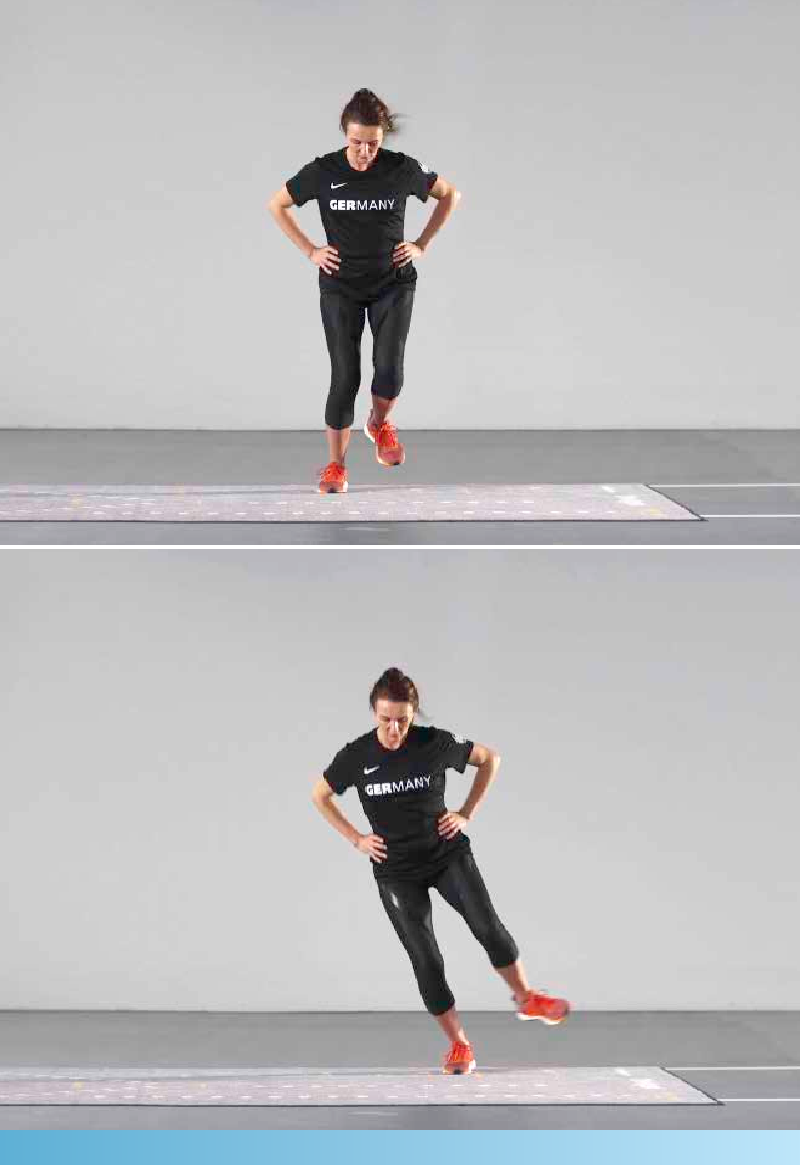
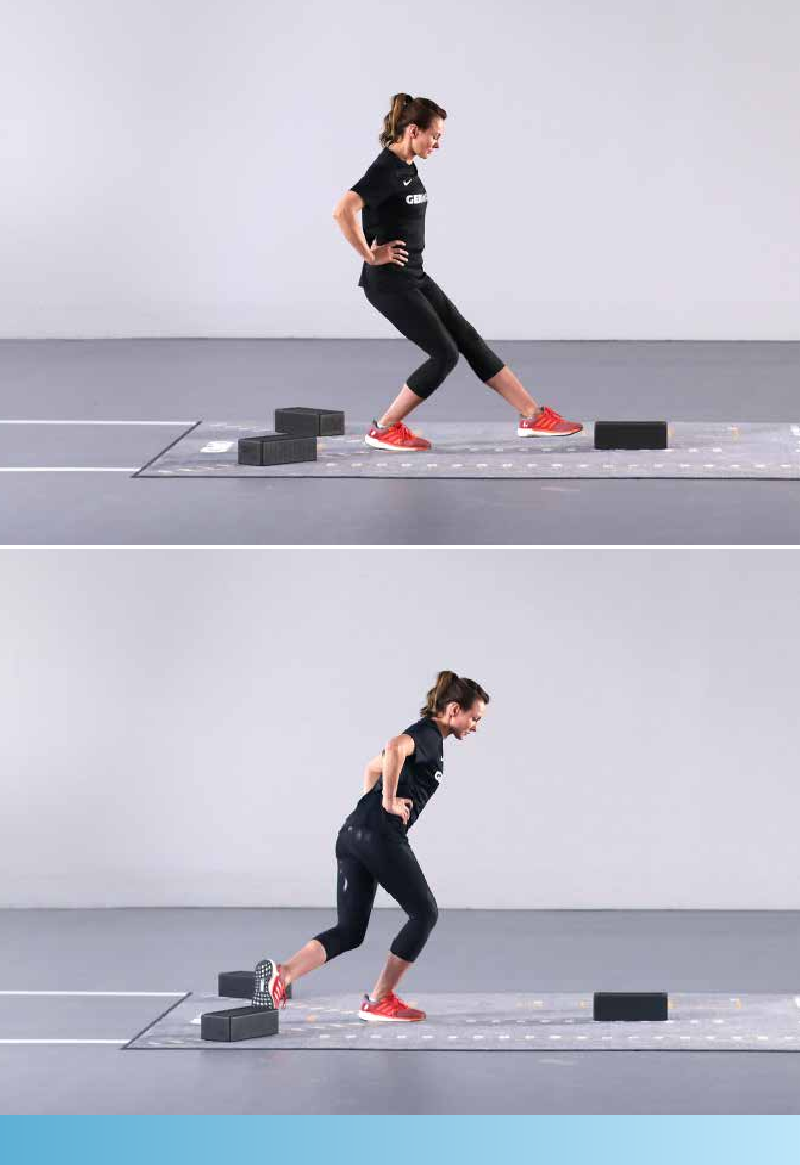
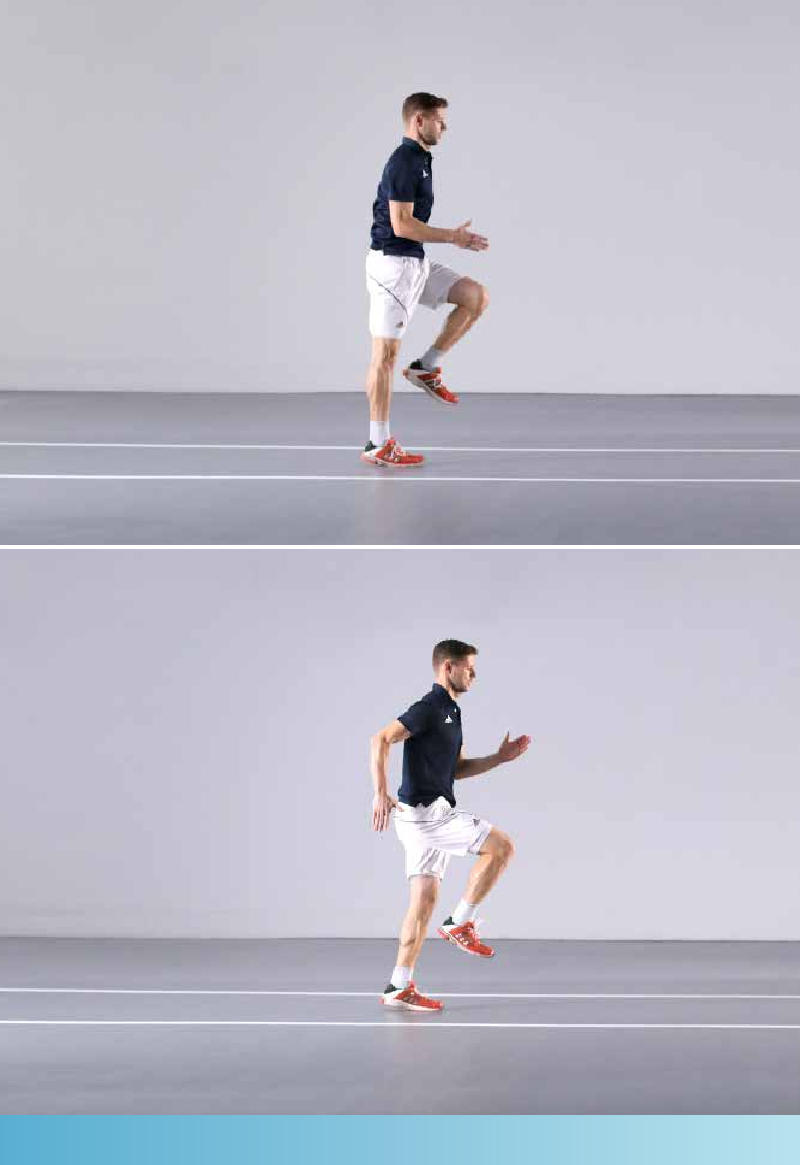
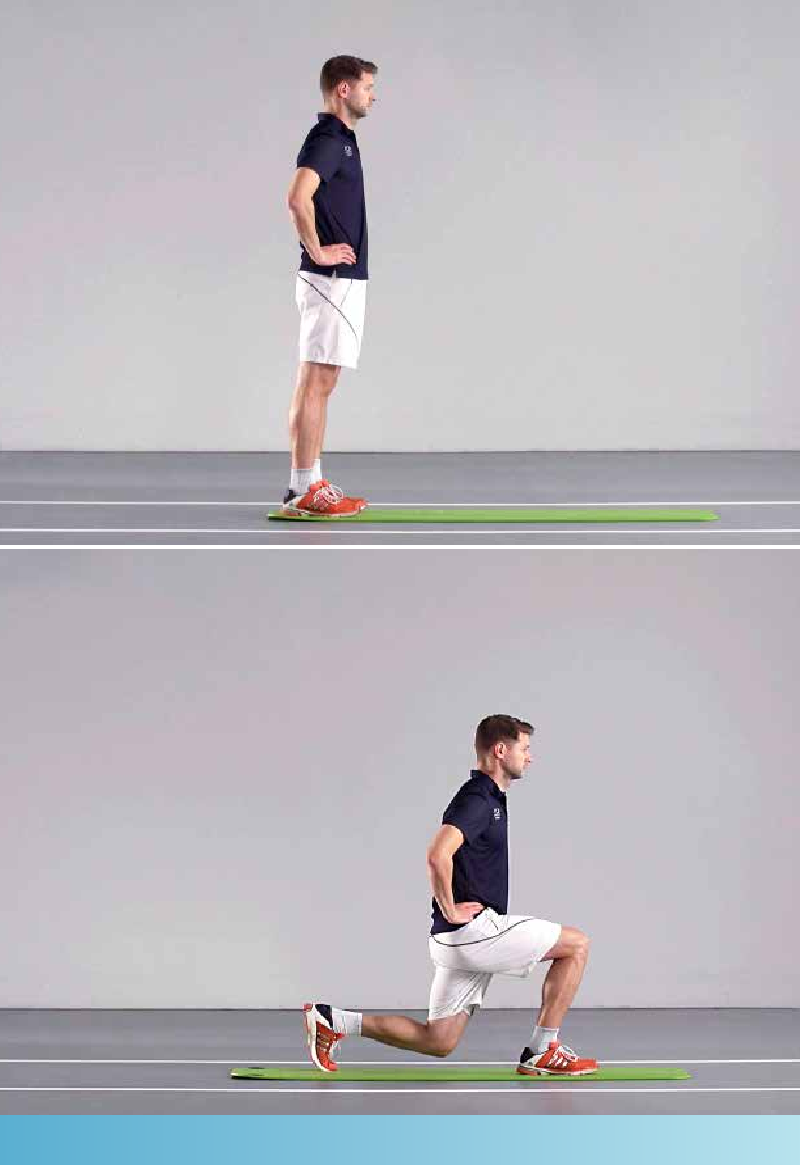
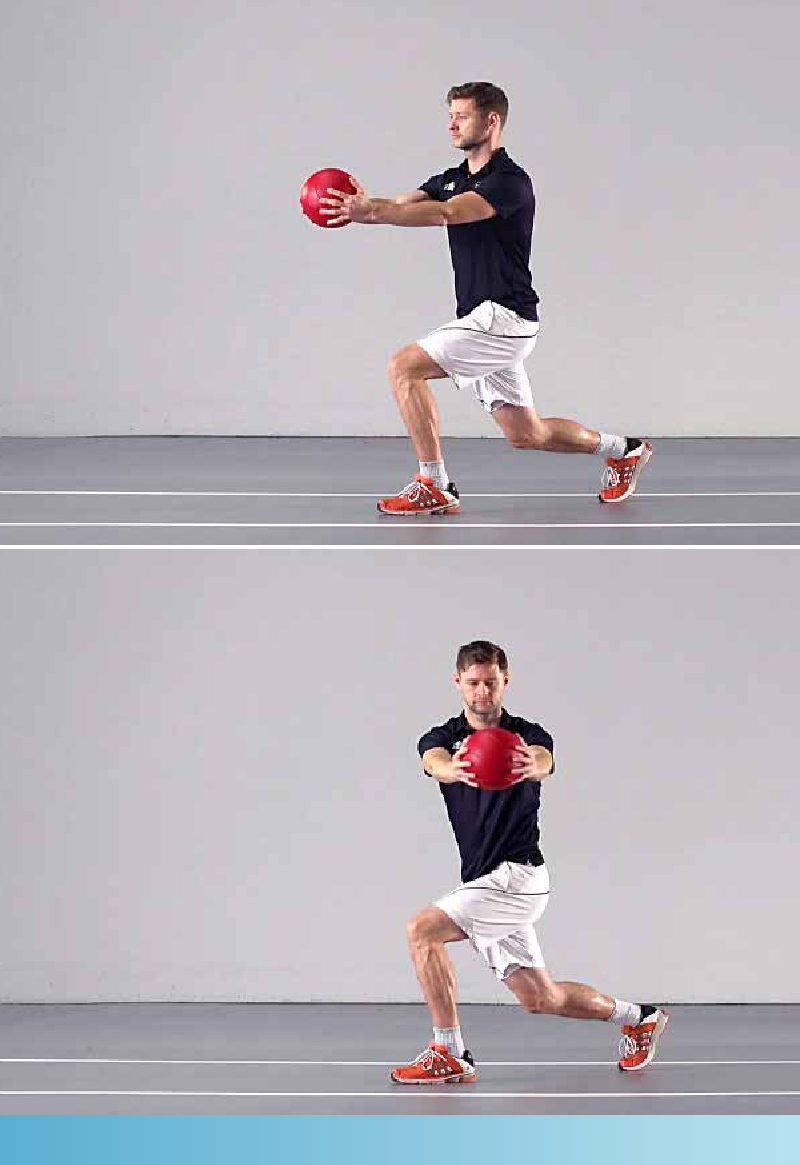
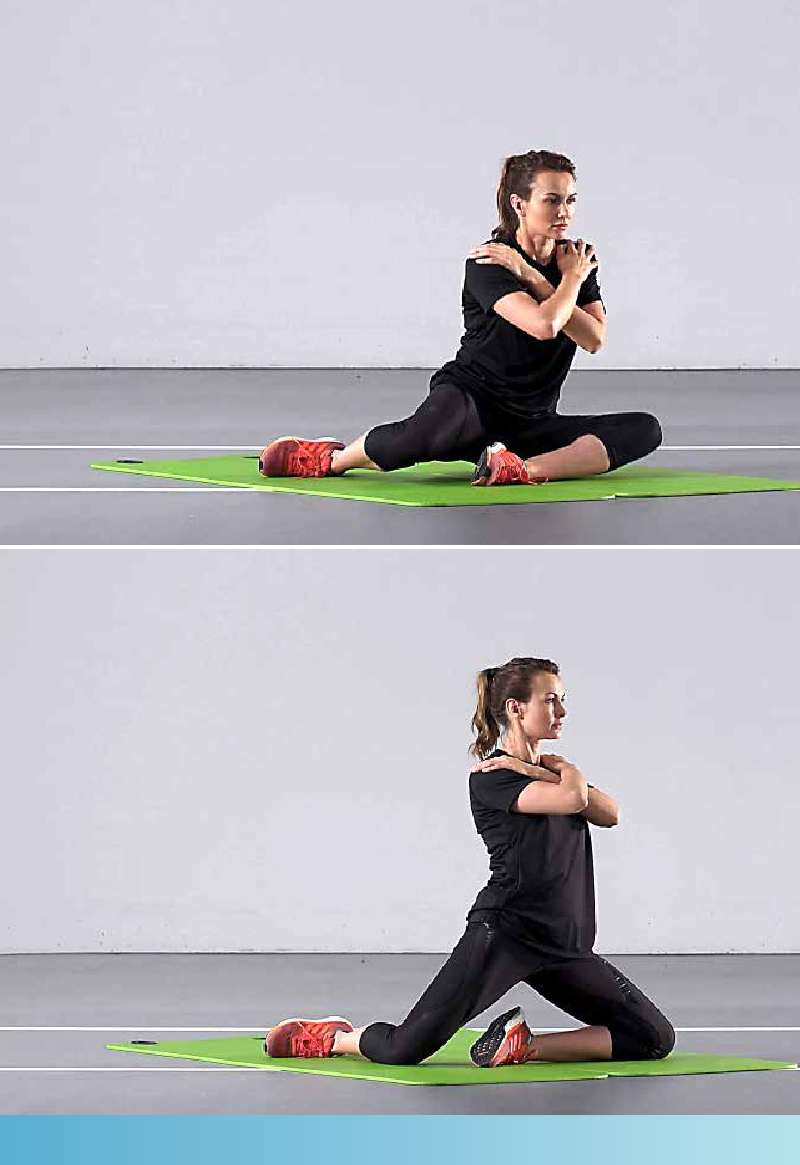
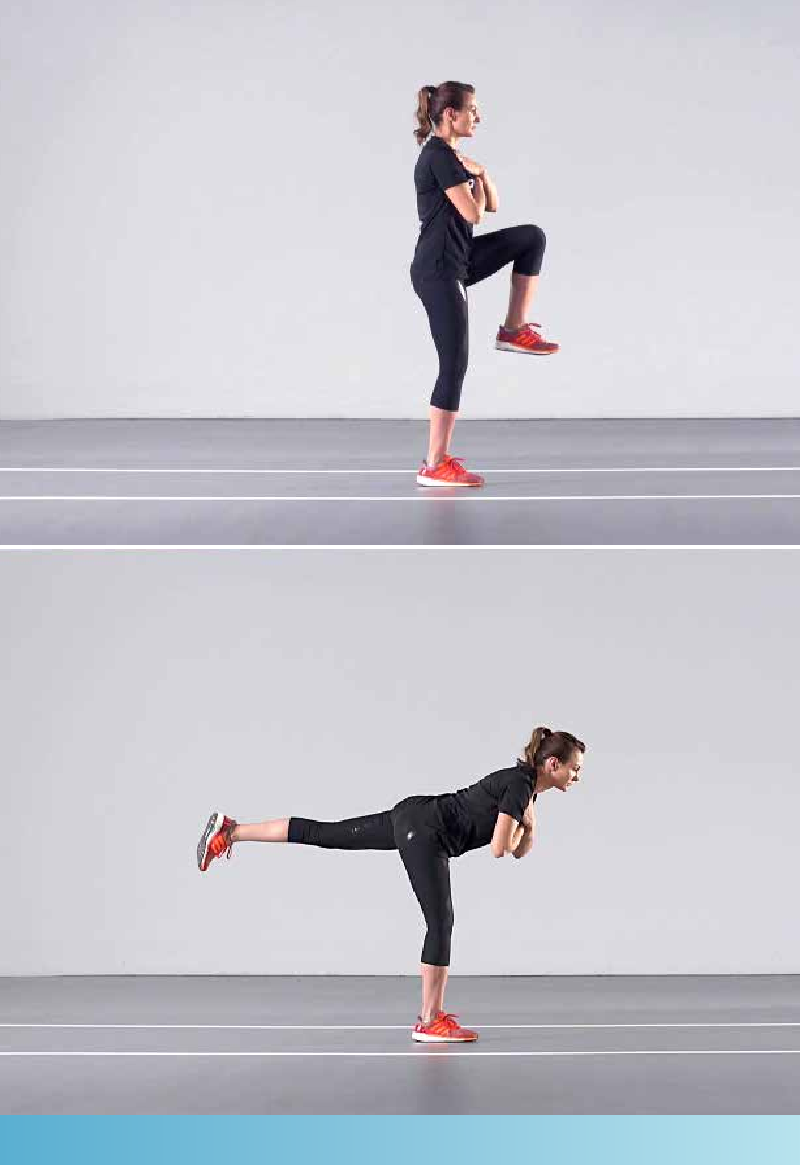
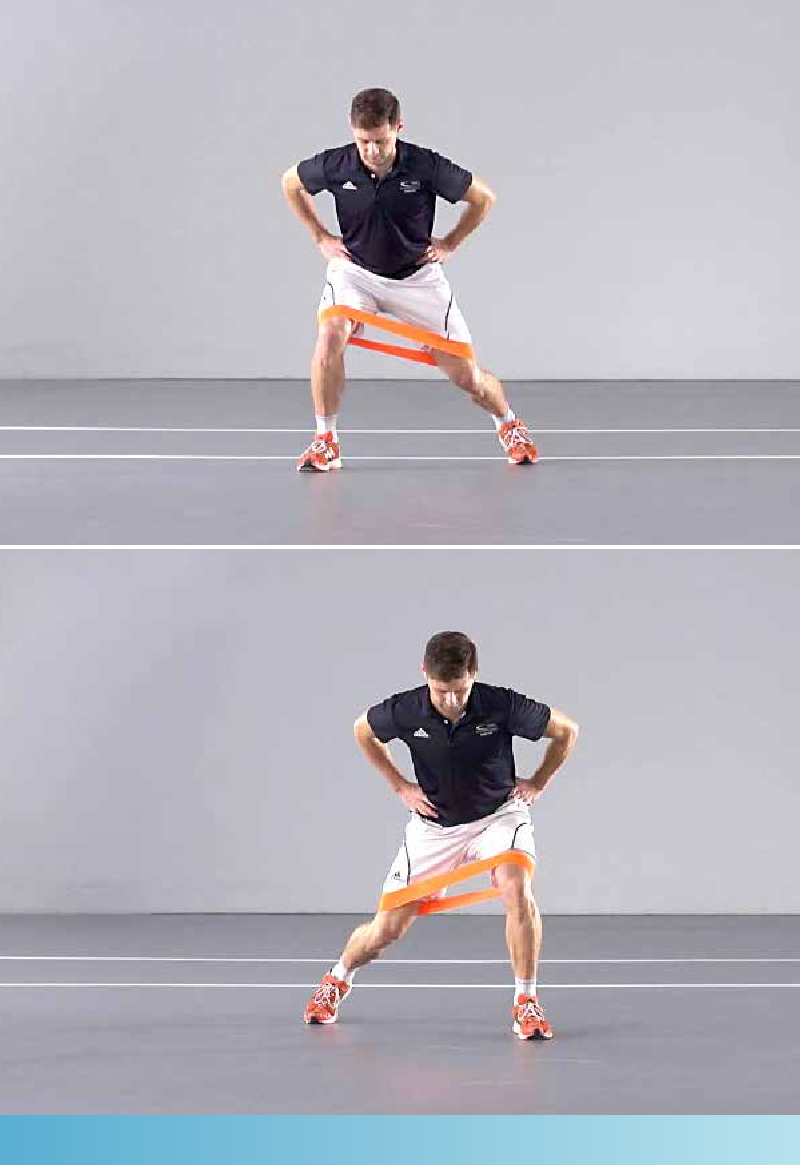
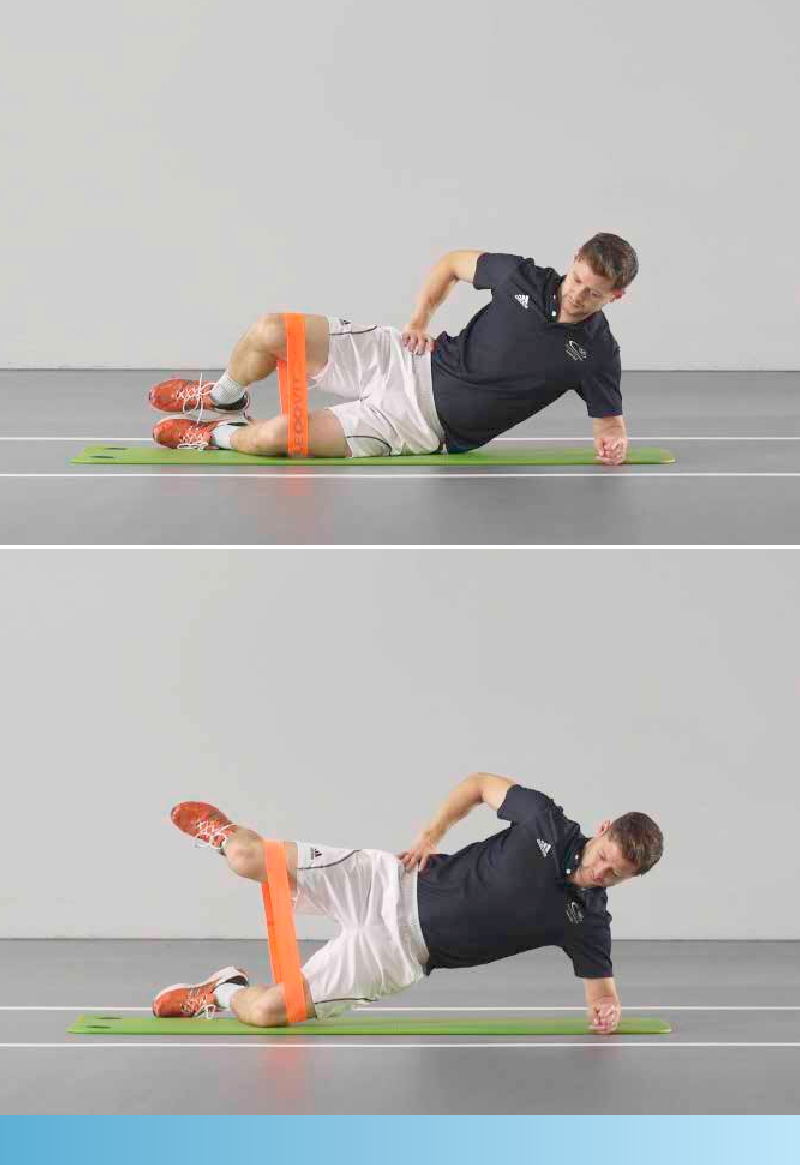
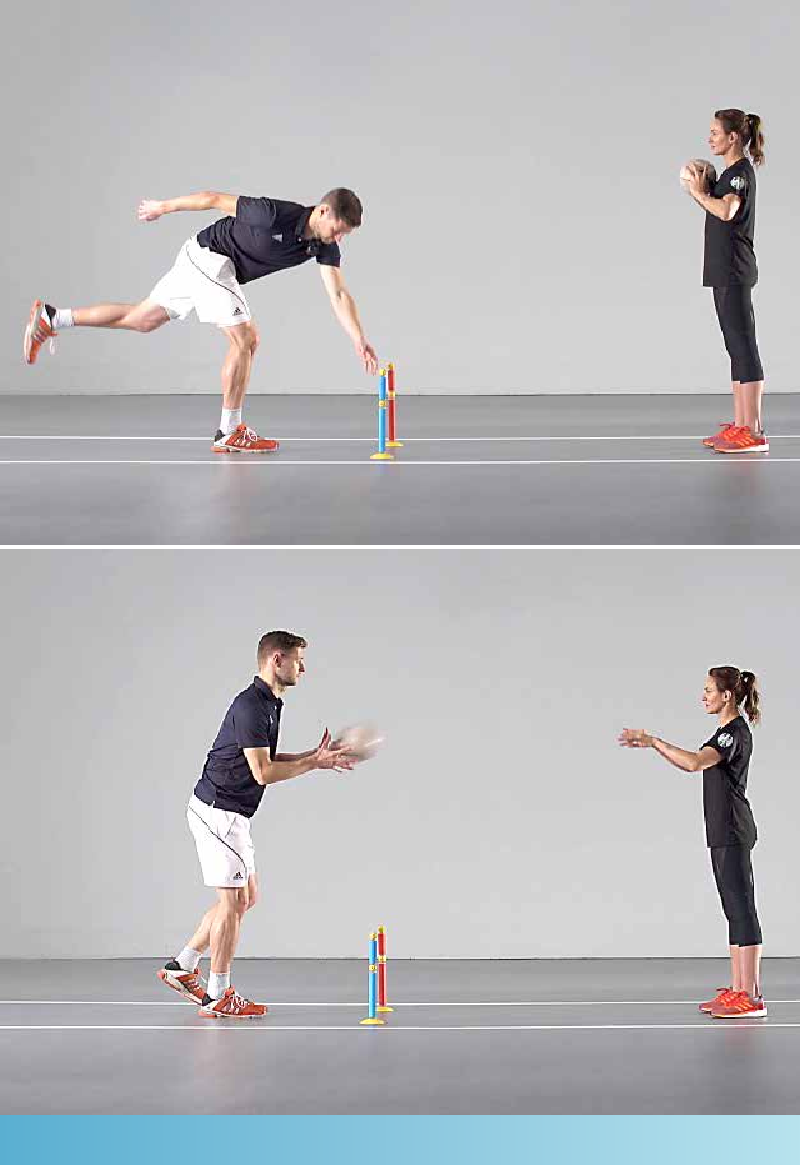
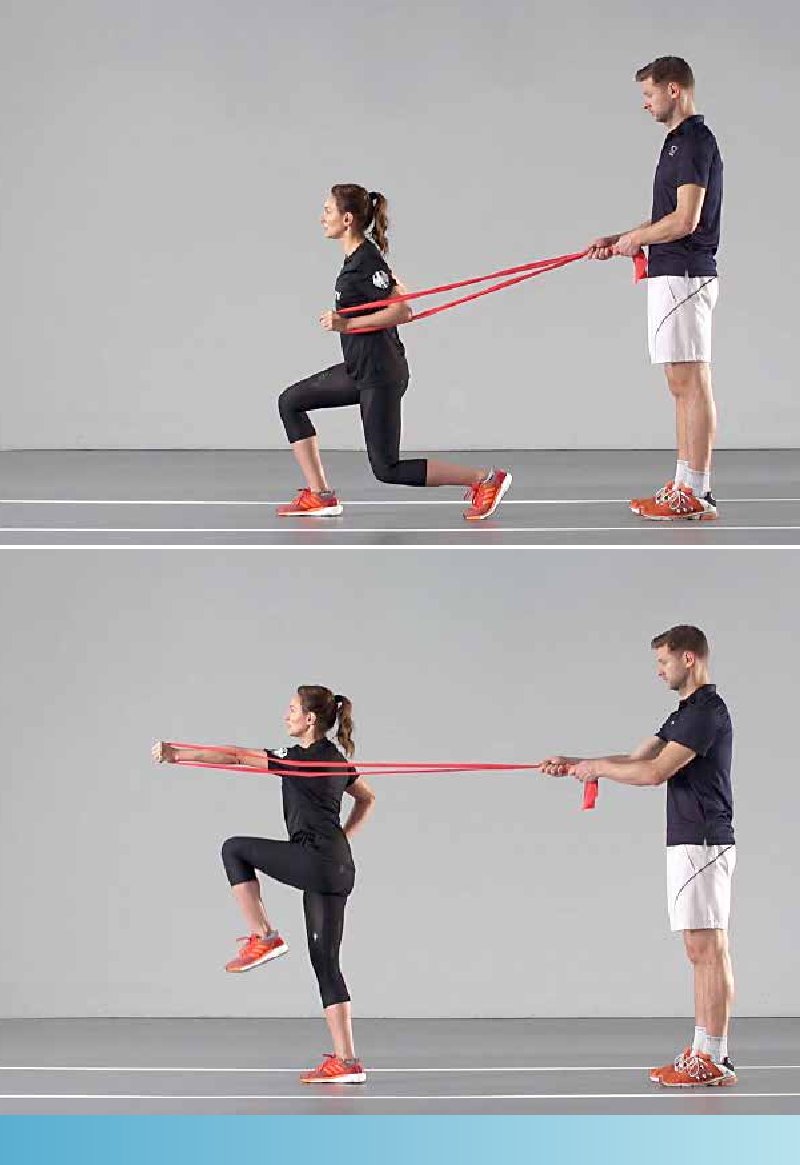
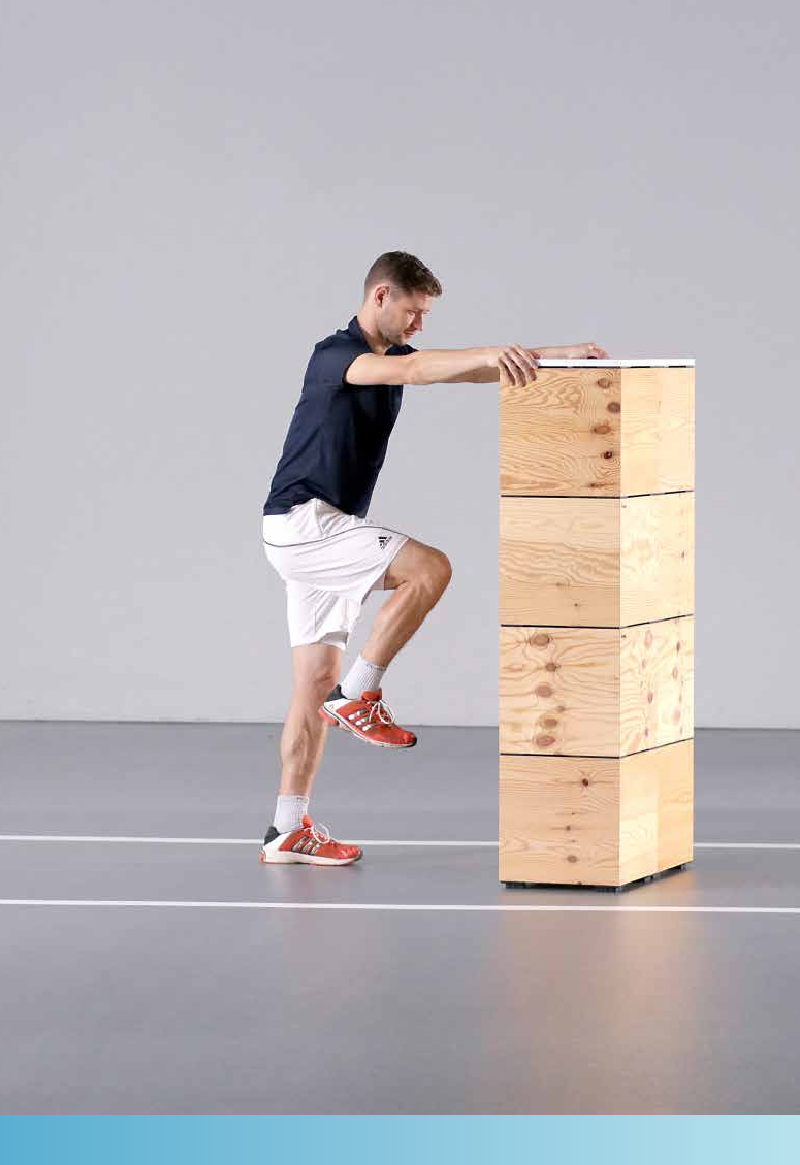
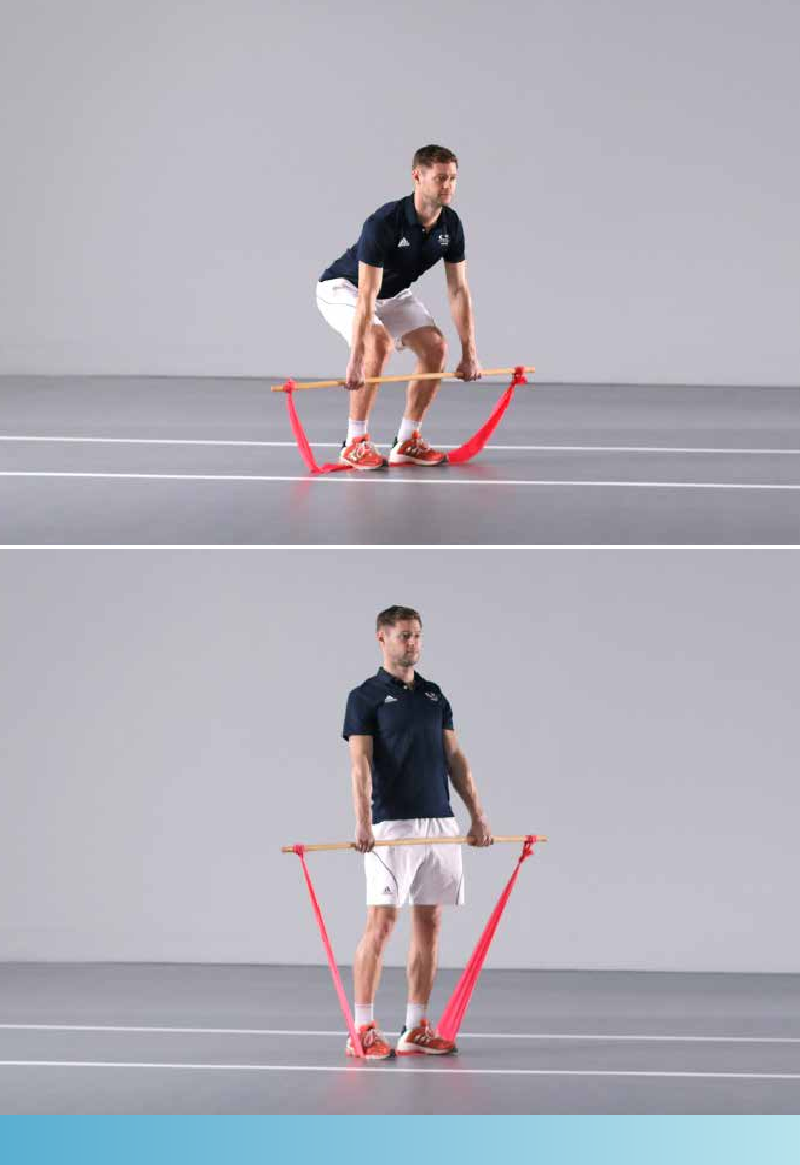
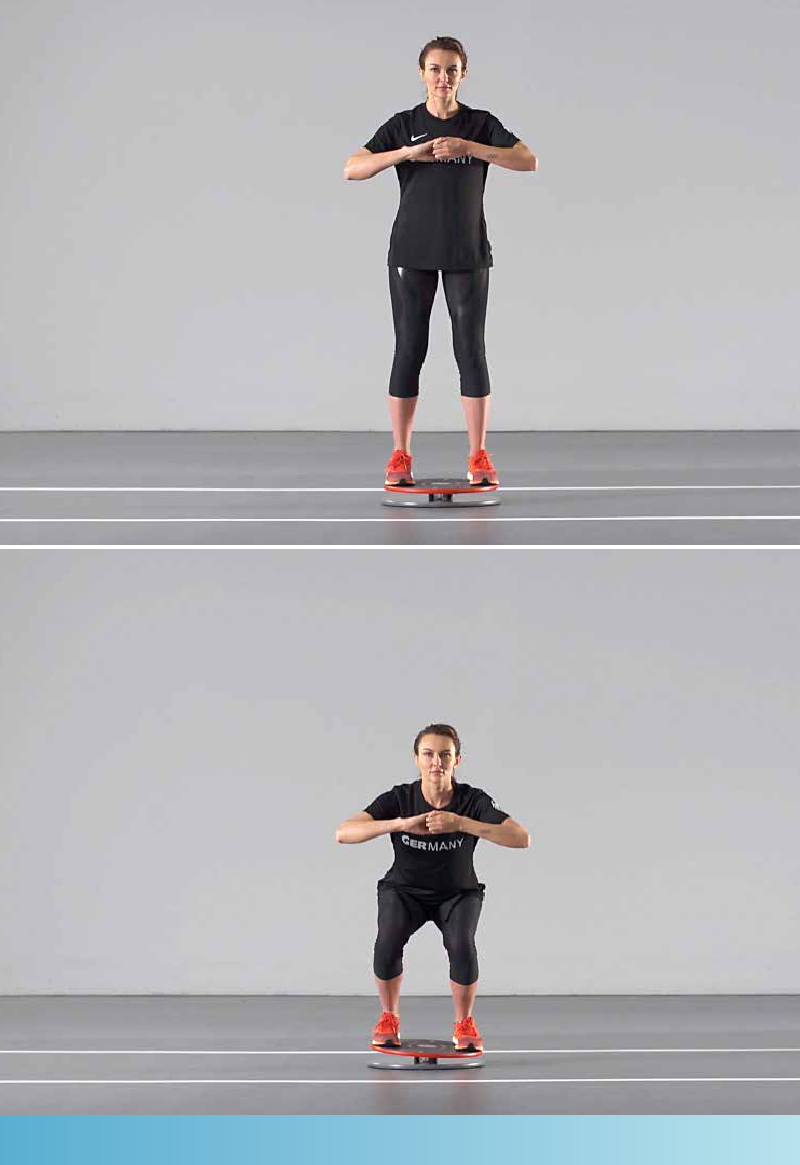
With varying emphasis, the program blends running drills, balance training, jump
training and strength work into a 15–20 minute warm-up. The strategies are:
- Education about how injuries happen, and correcting dangerous movement patterns
- Balance training
- Neuromuscular training to improve coordination between and within muscles
- Strengthening the protective hamstring and hip-stabilizing muscles
Begin with the simpler exercises and progressively raise difficulty, intensity and
repetitions. After a serious injury, continuing this training following rehab and
return-to-sport reduces the risk of re-injury on both the affected and the opposite
side.